Responsible Gambling
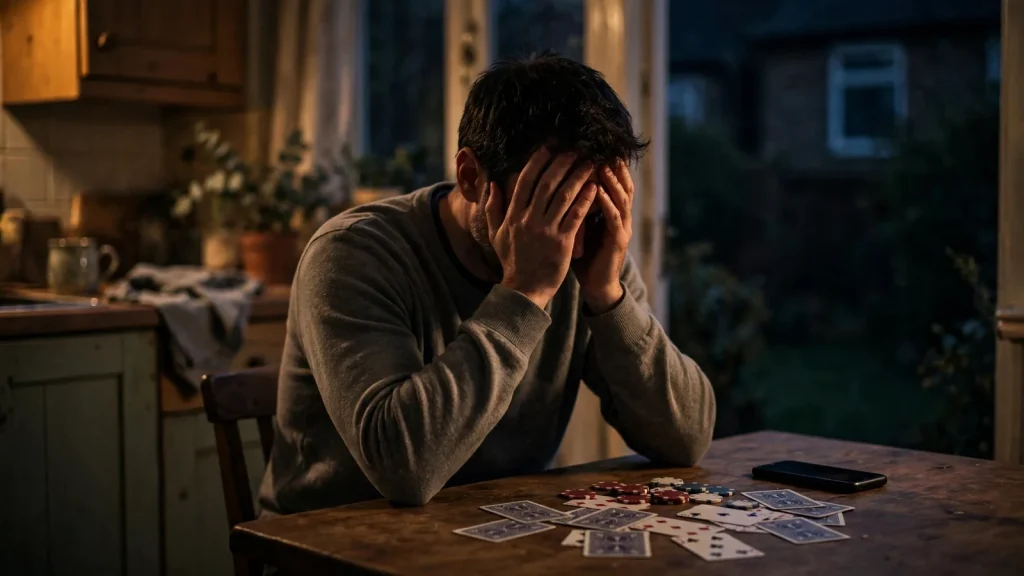
Gambling is not a way to earn money, and it won’t solve money problems. I’ve tried to treat a game like a plan for getting back what I lost. It just gave me another reason to keep playing.
Signs to take seriously
A problem can show up in ordinary, visible ways. Look at what you’re doing, not what you tell yourself you’ll do next time:
- You spend more time or money gambling than you meant to.
- You raise your stakes or chase losses to try to recover money.
- You borrow, sell things, or use money meant for bills to keep playing.
- You hide gambling or lie about how much you’ve spent.
- You keep gambling after deciding to stop, or feel restless when you try.
- Gambling affects your sleep, work, relationships or ability to cover everyday costs.
I’ve used “just one more” to make a decision I’d already made sound temporary. It wasn’t. If any of this feels familiar, act before another session.
Use the controls, then step away
UK-licensed casinos must provide responsible gambling tools, including self-exclusion. Remote operators must also provide accessible account-level limit controls, and prompt new customers to set a financial limit before their first deposit.
Sign in only to find the account controls. Set a limit you can live with, or use self-exclusion if you need gambling access stopped. If you’re already tempted to change a limit or reopen an account, don’t negotiate with yourself in the moment: leave the site or app and ask someone you trust to sit with you while you take the next step.
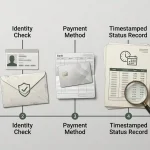
Operators must verify a customer’s age before allowing deposits. I can’t give an age threshold here because I don’t have a verified age figure for this page.
UK rules also restrict how online slots work: autoplay is banned, and a slot spin must take at least 2.5 seconds. Those safeguards don’t make gambling safe for you if it’s causing harm.
Where to turn now
Start with the operator you use. Ask its customer support team to help you find self-exclusion and account limits. UKGC licensees must offer an internal complaints process and access to an approved Alternative Dispute Resolution (ADR) service. If your concern is about the operator’s handling of a complaint, ask for its complaints procedure and the details of its ADR route.
If you need help beyond the account, tell someone you trust plainly: “I’m losing control of my gambling and need help stopping.” You can also speak to a health professional, such as your GP, about what is happening and what support is available locally.
No verified gambling-support organisation, address or phone number was provided for this page. I won’t invent one. If you are in immediate danger, contact emergency services where you are.
A few UK protections
Remote gambling operators cannot accept credit-card payments for gambling, including credit-card funding routed through a money service business. They also cannot accept wallet payments where the wallet allows credit-card funds to be used for gambling. These rules do not remove the risk of losing money through other payment methods.
For online slots, the total stake in a game cycle is capped at £2 for people under 25 and £5 for people aged 25 or older. That is a limit, not a safe budget. If gambling is affecting your finances or your ability to stop, close the account and seek support rather than trying to play within a cap.